Article
Desk plant care for low-light rooms

A plant can make a dim home office feel less like a storage unit, but low light kills good intentions quickly. The usual failure is buying a sun-loving statement plant, parking it behind a monitor, watering whenever guilt spikes, and discarding it six weeks later. Low-light desk gardening is a placement and selection problem first. This is practical plant-care guidance for rooms that rarely see direct sun—not a botanical thesis, and not a claim that plants replace ventilation, breaks, or medical care.
At a glance
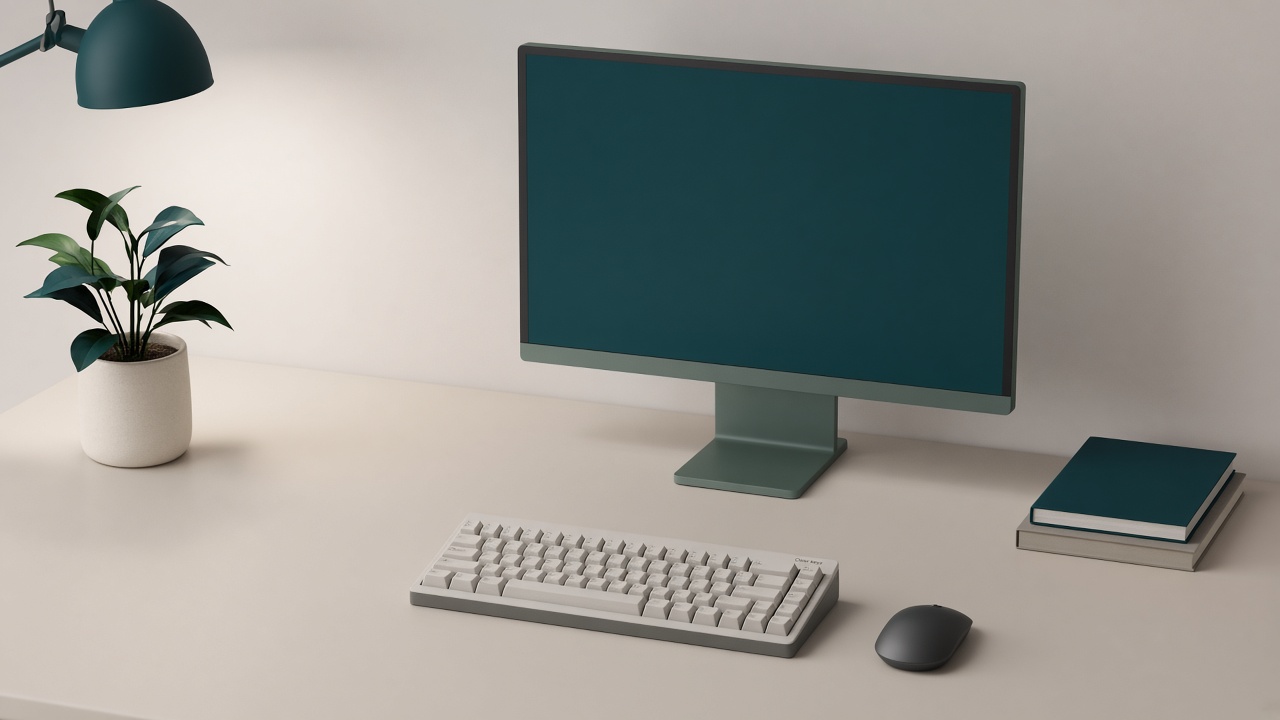
Place plants beside the desk—not on the keyboard zone.
Honest light assessment beats hopeful shopping
Stand where the plant will live at mid-morning, early afternoon, and late afternoon on a typical workday. Bright indirect light means you can read comfortably without a lamp near the window zone. Medium light means reading is possible but the room feels dull. Low light means you need lamps to read paper and corners stay shadowy. Negligible light means windowless dens and hallway-facing desks.
Most “desk in the middle of an apartment” setups are medium to low. Marketing tags that say “low light” sometimes still expect more than a cave. If your phone camera needs night mode at noon, choose the toughest species or use a small grow bulb instead of another casualty.
Species that forgive dim desks
Favor plants known for tolerance, then verify against your actual room. Snake plants stay upright and slow. ZZ plants dislike overwatering more than dimness. Pothos and heartleaf philodendron trail easily and prune well. Cast iron plants grow slowly in many dim corners. Peace lilies can cope with lower light but signal thirst dramatically; choose them only if you like that feedback.
Skip high-drama fiddle leaf figs, most succulents, and herbs on a north-facing interior desk. They are the wrong tool, not a moral failure. Start with one plant. Master the watering rhythm before building a jungle that becomes unpaid weekend labor. A single survivor teaches your room’s true light better than three hopeful purchases.
Placement that helps without hurting work
Desk real estate is expensive. Plants fail when they force awkward shoulder shrugs around pots. Prefer a side return, adjacent shelf, nearby window sill that will not fry leaves on hot glass, the top of a low bookcase behind the monitor line, or a hanging planter that keeps vines off the work surface.
Keep the primary keyboard, mouse, and writing pad clear. A plant in your reach arc becomes an obstacle you resent, and resentment kills watering consistency. Watch for soil spills near laptops, water drips onto power strips, leaves touching warm bulbs, and scent sensitivity in shared rooms. Agree on low-scent species and stable pots if you share space. Trailing vines need a hard prune rule: cut before they reach mouse cords or webcam mounts, not after they have tangled a workday.
Water less often than social media suggests
Dim plants drink slowly. Overwatering is the main killer. Finger-test the top few centimeters of soil. Water drought-tolerant picks only when that layer is dry. Water thoroughly until a bit drains, then empty the saucer so pots do not sit in a puddle. Use room-temperature water. Reduce frequency further in winter if growth stalls.
Soil truth beats calendar guilt. A plant in low light may want water every few weeks depending on pot, heat, and species. Weekly soaking is a common path to root rot blamed on “low light.” Dust leaves monthly so scarce light can reach the surface, and rotate the pot a quarter turn periodically so it does not lean permanently toward the window.
When a small grow light is the honest fix
If you love plants and your room is truly dim, a modest full-spectrum bulb aimed at the plant—not at your eyes or the monitor—can turn failure into maintenance mode. Put the light on a timer, keep glare off the screen, start farther away and watch for leaf bleach, and treat the bulb as plant infrastructure rather than mood lighting for calls. A grow light is often cheaper than replacing plants quarterly.
One healthy plant reads as calm. Five struggling plants read as unfinished chores. Prefer one upright plant for structure, an optional hard-pruned trailer on a shelf, compatible pots, and saucers that actually fit. Snip yellowing leaves. Tidy plants look intentional; neglected ones make the whole desk feel abandoned even when your files are organized.
Seasonal and shared-room adjustments
Winter heating dries soil faster on the surface while roots still sit wet underneath if you water on a summer schedule. Trust the finger test more than the calendar when radiators run. Summer can reverse the problem near sunny glass; move heat-sensitive leaves a few centimeters back rather than drowning them.
Shared rooms need pest and spill discipline. Isolate a new plant for a short period if you can, wipe leaves before they join the desk zone, and never let saucers overflow onto power strips. If anyone in the household is scent-sensitive, skip heavily fragrant blooms and stick to quiet foliage. The goal is a stable green signal, not a second job that competes with deep work.
Checklist
- Light level checked at real work hours
- Species matched to low or medium light
- Pot placed outside the keyboard and mouse arc
- Saucer present; water kept away from electronics
- Watering based on soil dryness, not guilt
- Leaves dusted; pot rotated occasionally
- Grow bulb considered if the room is truly cave-like
- Only as many plants as you will actually maintain
FAQ
Can desk plants clean the air enough to matter?
They are not a substitute for ventilation and are easy to overclaim. Enjoy them for aesthetics and routine. Open windows when you can, and maintain HVAC filters—that does more for air than a single pothos.
Why do low-light plants still get crispy tips?
Often inconsistent watering, dry indoor heat, or species reacting to tap water. Try consistency first, then occasional filtered water if problems continue. Brown tips alone are not always a crisis.
Are fake plants better for windowless offices?
If you will not water, yes. Quality faux greenery beats a compost experiment next to your laptop. Choose one realistic piece and keep it dusted.
How big should a desk plant be?
Small enough that you never move it to type. For many desks, a modest surface pot or a larger plant on a nearby stand is the comfort zone.
Is watering with coffee or leftover tea okay?
Usually a bad idea. Stick to water. Kitchen leftovers invite odor, mold, and pests—especially in warm rooms with electronics nearby.